Discover Lhasa

The spiritual heart of Tibet, where heaven meets earth

About Lhasa

The Roof of the World

Lhasa, the capital of Tibet Autonomous Region, sits at 3,650 meters above sea level, one of the highest cities in the world. Its name means "Place of Gods" in Tibetan, reflecting its sacred status as the spiritual center of Tibetan Buddhism.

For over 1,300 years, Lhasa has drawn pilgrims who prostrate themselves along mountain paths to reach its holy sites. The Potala Palace, former residence of the Dalai Lamas, dominates the skyline with its white and red walls rising 13 stories.

The city's blend of ancient spirituality and modern life creates a unique atmosphere. Monks in crimson robes walk alongside smartphone users, while incense drifts from temples into streets lined with both traditional teahouses and modern cafes.
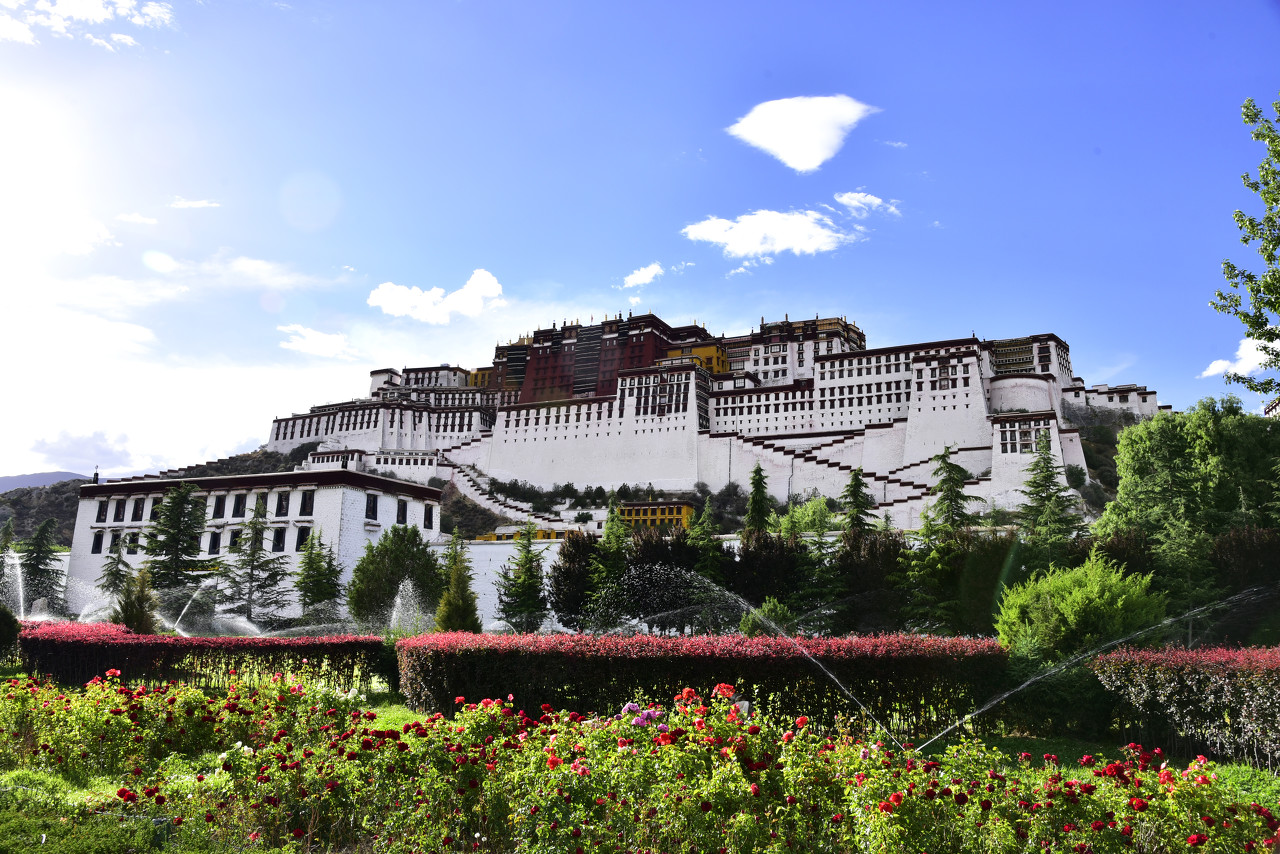
Potala Palace

637 AD Founded

High Altitude

3,650m elevation, highest major city

Sacred Sites

Potala Palace, Jokhang Temple, holy pilgrimage

Tibetan Buddhism

Heart of spiritual tradition and pilgrimage

Pure Air

300+ sunny days, crisp mountain atmosphere
Top Attractions

Potala Palace

The iconic winter palace of the Dalai Lamas, rising 13 stories with over 1,000 rooms. This UNESCO World Heritage site houses stupas of past Dalai Lamas, sacred scriptures, and priceless Tibetan art spanning centuries.

Open: 9:00 AM - 3:00 PM

Jokhang Temple

The holiest temple in Tibetan Buddhism, housing the Jowo Shakyamuni statue brought by Princess Wencheng. Pilgrims circumambulate the temple day and night, creating an eternal stream of devotion around this sacred heart.

Open: 7:00 AM - 6:00 PM

Barkhor Street

The sacred circumambulation path around Jokhang Temple, lined with shops selling Tibetan crafts, incense, and religious items. Walking with pilgrims here offers immersion into living Tibetan culture and devotion.

Open: All day

Namtso Lake

One of Tibet's three sacred lakes, Namtso means "Heavenly Lake" in Tibetan. At 4,718m altitude, its crystal-clear turquoise waters reflect snow-capped mountains, creating a breathtakingly beautiful and spiritual landscape.

Best: May - October

Yamdrok Lake

The sacred "Turquoise Lake" winding like a jade ribbon through Himalayan mountains. One of Tibet's three holy lakes, its ever-changing blue waters are believed to possess spiritual powers and offer stunning panoramic views.

Best: April - November

Ramoche Temple

The sister temple to Jokhang, housing the Jowo Mikyo Dorje statue brought by Princess Bhrikuti. Though smaller than Jokhang, its intimate atmosphere and ancient murals offer quiet contemplation.

Open: 8:00 AM - 6:00 PM

Tibetan Cuisine

Highland Flavors

Tibetan cuisine reflects the harsh high-altitude environment, emphasizing hearty ingredients that provide warmth and energy. Yak meat, barley, and dairy form the foundation of most dishes, creating a cuisine uniquely adapted to mountain life.

Tsampa, roasted barley flour, is the staple food. Tibetans mix it with butter tea to create a nourishing paste eaten daily. Yak butter provides essential fats in the thin atmosphere, while yak meat offers rich protein.

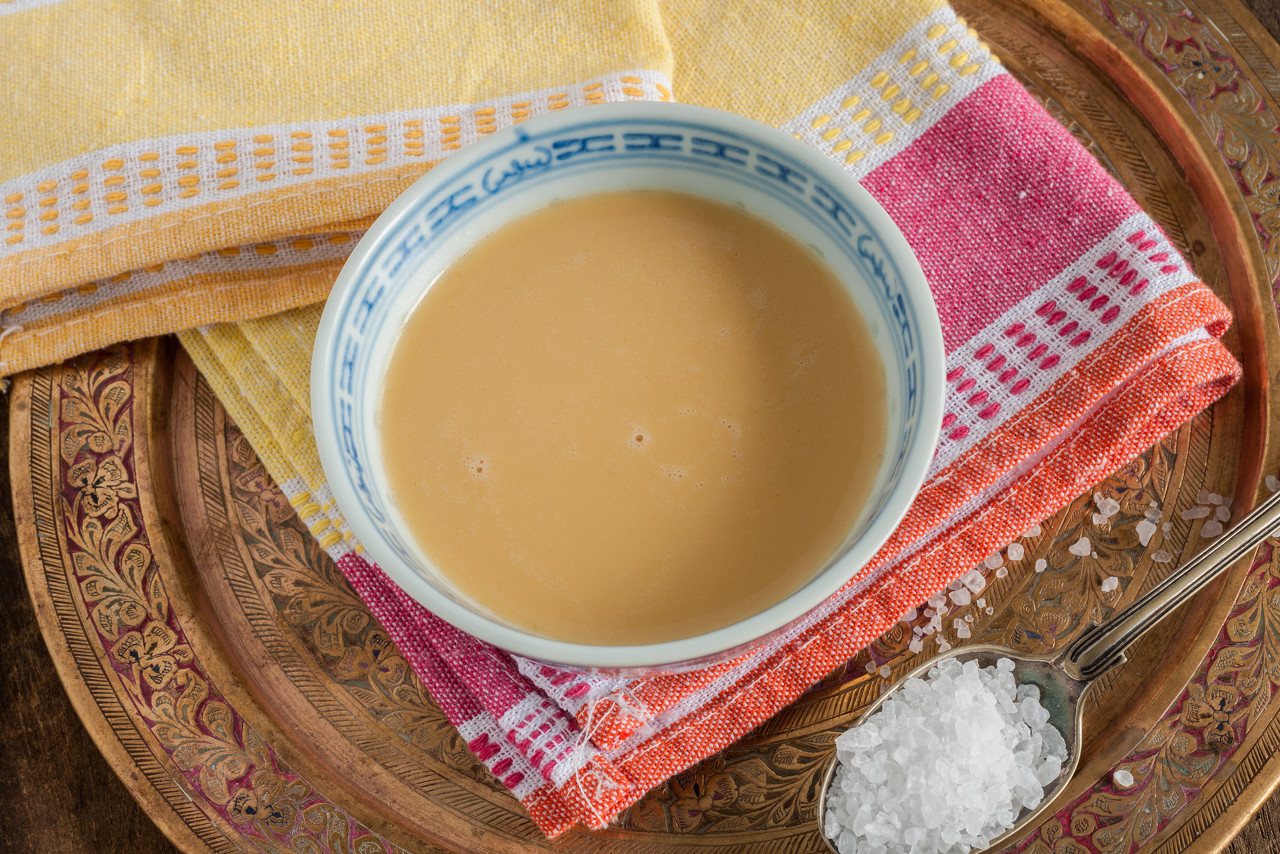
Tea culture is central to Tibetan life. Butter tea, made with yak butter and salt, is drunk constantly throughout the day. The preparation itself is a ritual, churning tea and butter together to create a warming, savory beverage.

Tibetan Cuisine

Eat in Lhasa

Famous Dishes

Yak Butter Tea

Yak Butter Tea

Savory tea churned with yak butter and salt, creating a warming beverage essential for high-altitude life. Drunk throughout the day.

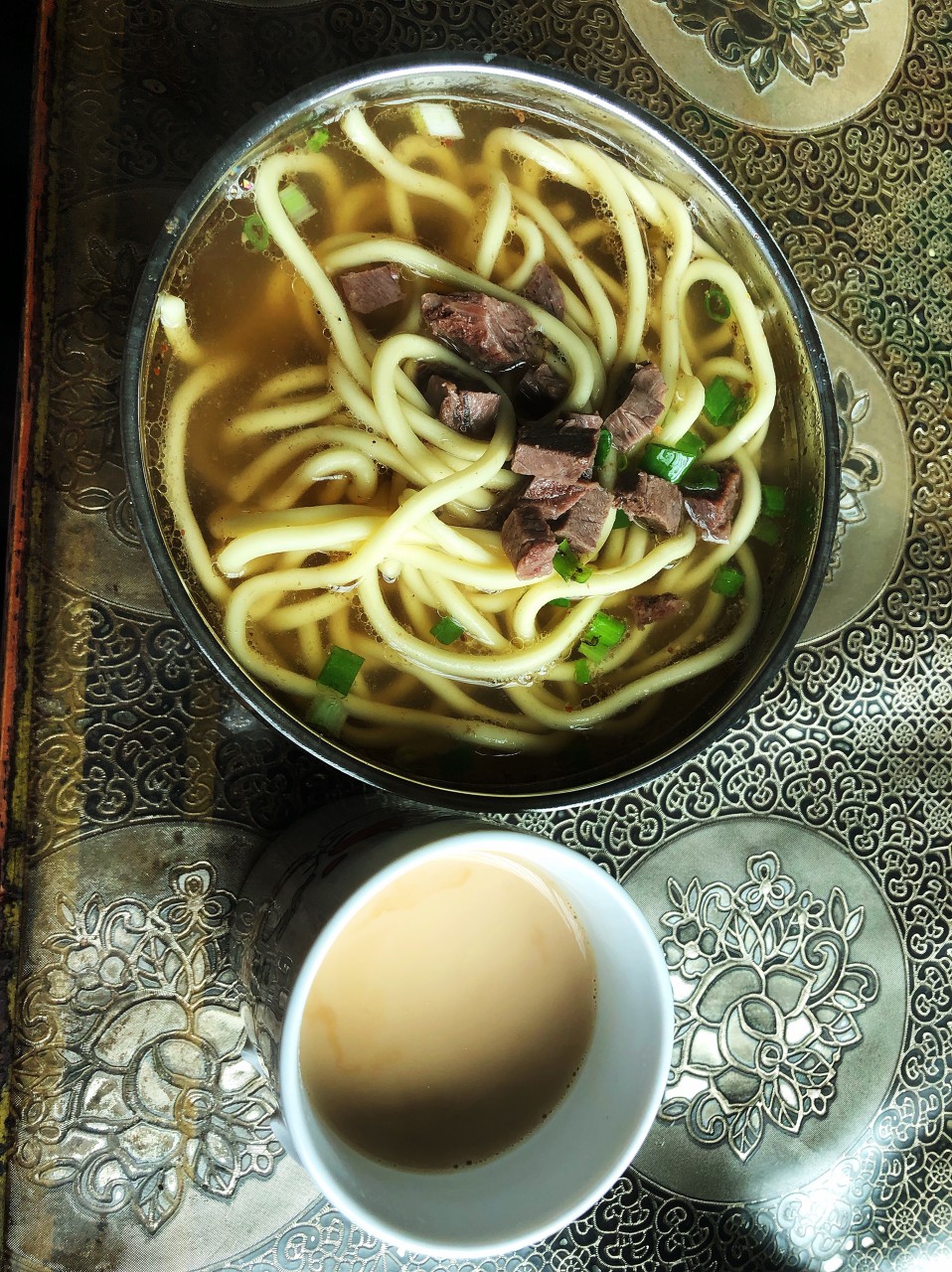
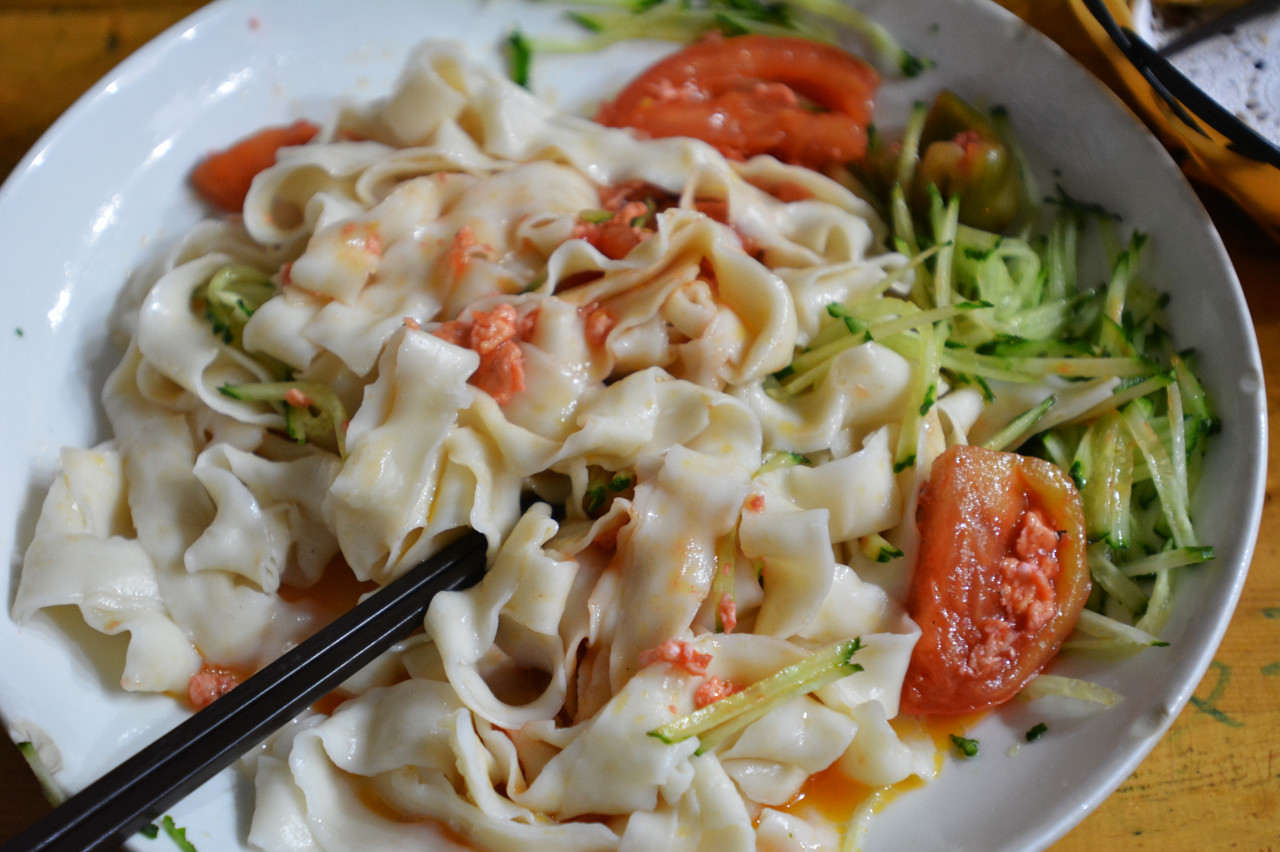
Tibetan Noodles

Tibetan Noodles

Hearty hand-pulled noodles served in rich yak bone broth with meat and vegetables. A comforting staple that warms from within at high altitude.

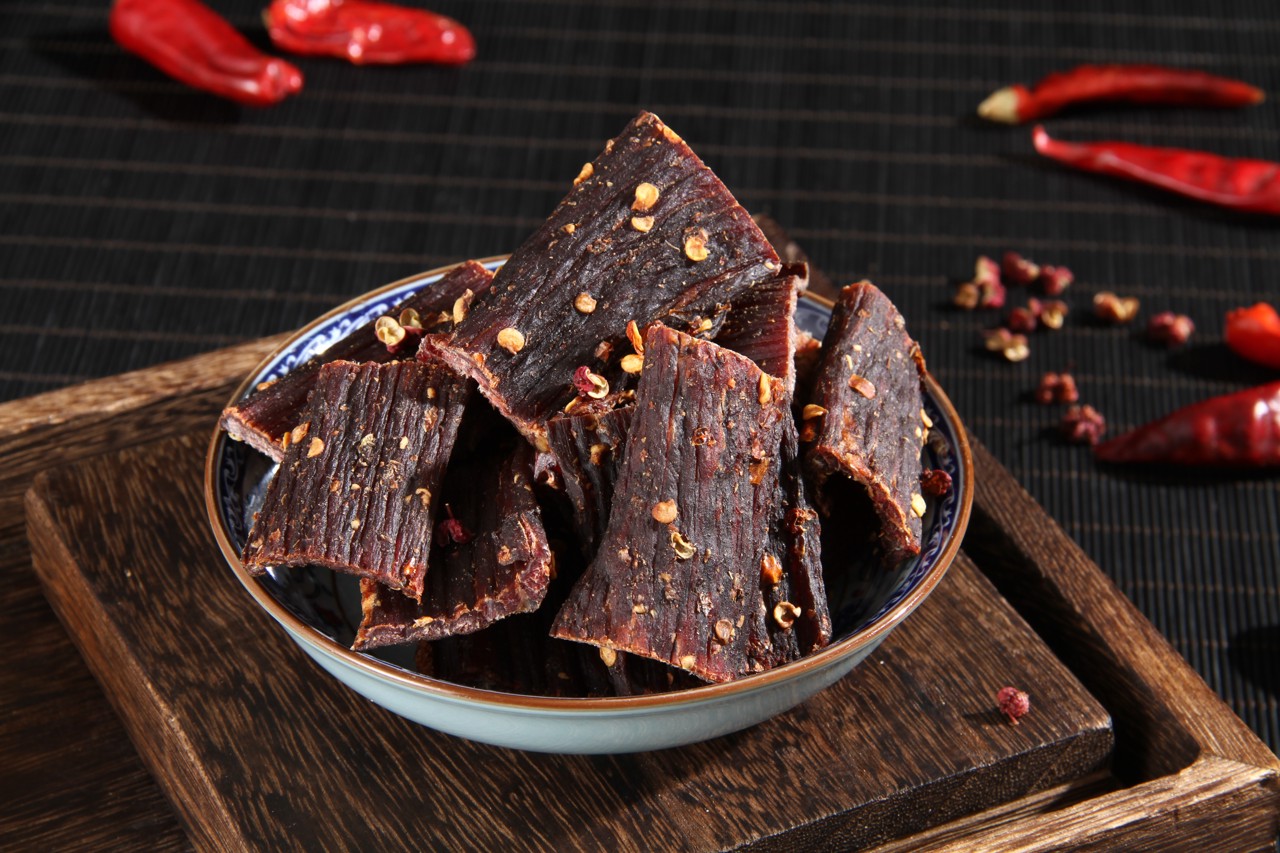
Dried Yak Meat

Dried Yak Meat

Air-dried yak meat strips, naturally preserved in the cold, dry mountain air. A protein-rich traditional snack perfect for high-energy trekking and travel.

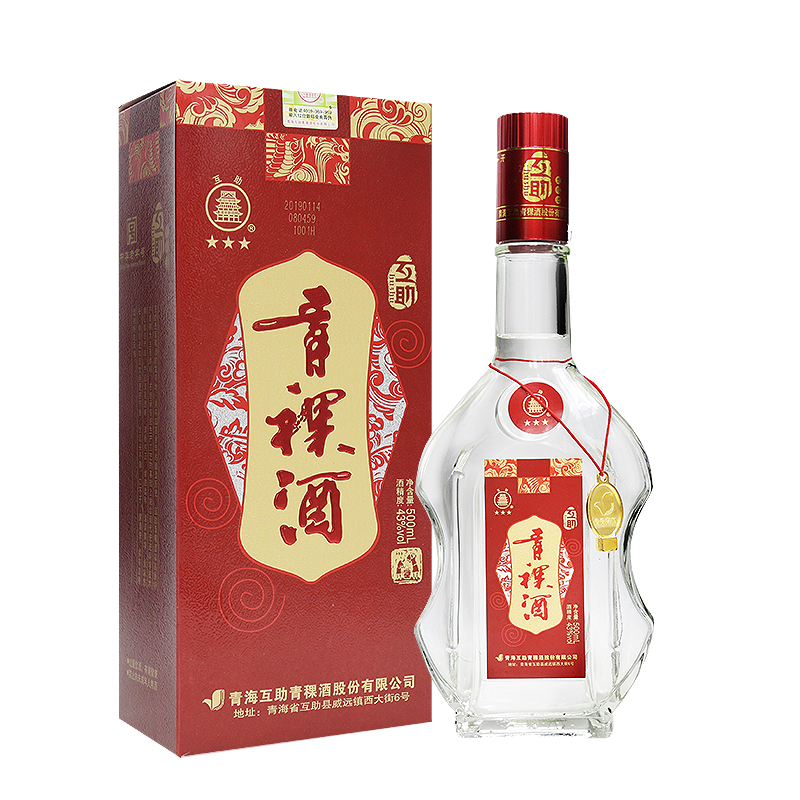
Highland Barley Wine

Highland Barley Wine

Traditional fermented barley wine, known as "Qiang" in Tibetan. Lightly alcoholic with a sweet, sour taste, it's the celebratory drink of Tibet for festivals and gatherings.

Food Areas

Barkhor Street

Traditional teahouses and restaurants surrounding the holy temple. Enjoy butter tea with pilgrims, taste momos in small eateries, experience authentic Tibetan dining culture.

Barkhor Street, Old Lhasa

Lhasa Old Town

Narrow streets lined with traditional Tibetan restaurants offering yak meat dishes, tsampa, and sweet yak yogurt. Authentic flavors in historic atmosphere.

Old Town, near Jokhang

Modern Lhasa District

Newer area with restaurants blending Tibetan and Chinese cuisines. Find upscale Tibetan dining alongside familiar Chinese and Western options.

Modern District, eastern Lhasa